
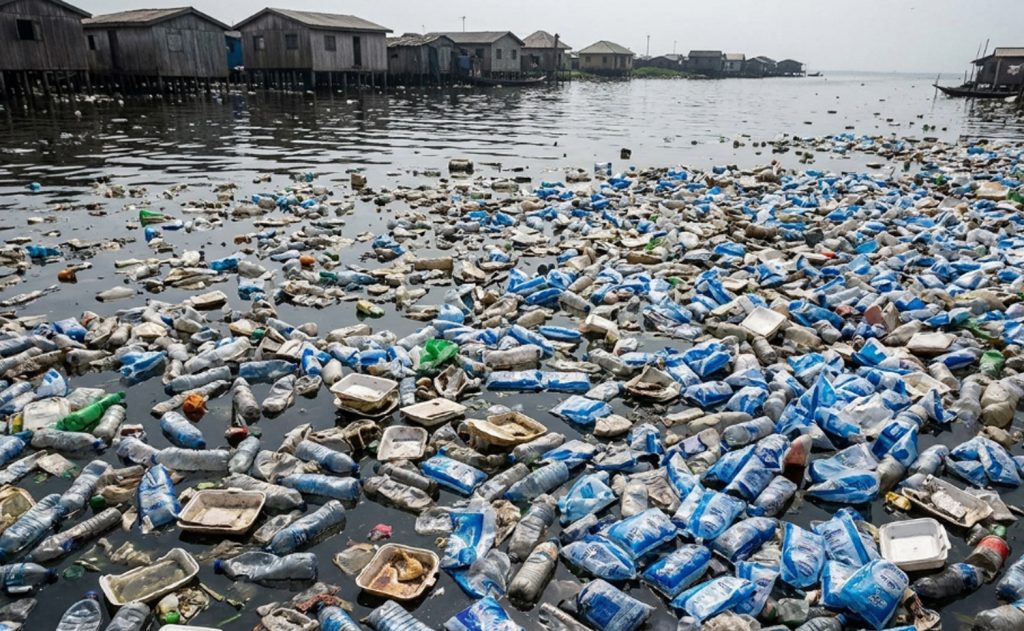
Plastic pollution is one of the most pressing environmental challenges facing Nigeria today. Everyday items like pure water sachets and PET bottles, when not properly disposed of, end up clogging streets, drainage systems, and waterways, causing a chain reaction of environmental and social problems.
1. Blocked Drainage and Flooding
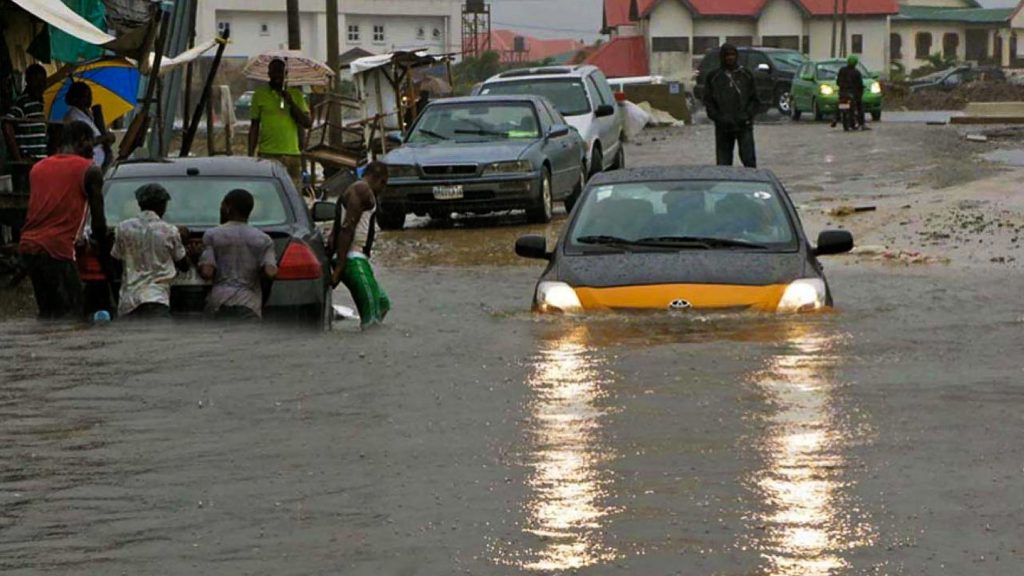
One of the most immediate impacts of plastic pollution is blocked drainage systems. During the rainy season, plastics accumulate in drains, preventing proper water flow. This leads to:
Urban flooding
Damage to homes and businesses
Health risks from stagnant water
Communities in cities like Lagos, Ibadan, and Abuja experience annual flooding largely due to uncollected plastic waste.
2. Soil and Water Contamination
Plastics don’t decompose easily. When they break down, microplastics enter the soil and water systems. This results in:
Contaminated farmland affecting crops
Polluted water sources for humans and animals
Long-term environmental degradation
3. Threat to Wildlife
Discarded plastics often find their way into rivers and oceans, posing a threat to aquatic life. Animals mistake plastics for food, which can lead to injury or death.
4. Health Risks for Communities
Plastic pollution contributes to unhygienic living conditions, promoting the spread of diseases such as cholera and malaria, especially when drainage systems are blocked and water stagnates.
How Recycling Programs Can Help
Platforms like RekovoHQ tackle these challenges by:
Collecting plastics directly from households and communities
Offering digital hubs and Recycle ATM machines for easy recycling
Turning waste into financial rewards, incentivizing proper disposal
By encouraging responsible plastic collection, we reduce pollution, prevent flooding, and empower communities economically.
I love a good deep clean and organize. Looking forward to reading your tips and tricks!