As Lagos Battles Seasonal Flooding, Recycling Has Become More Than an Environmental Choice, It's a Public Responsibility.
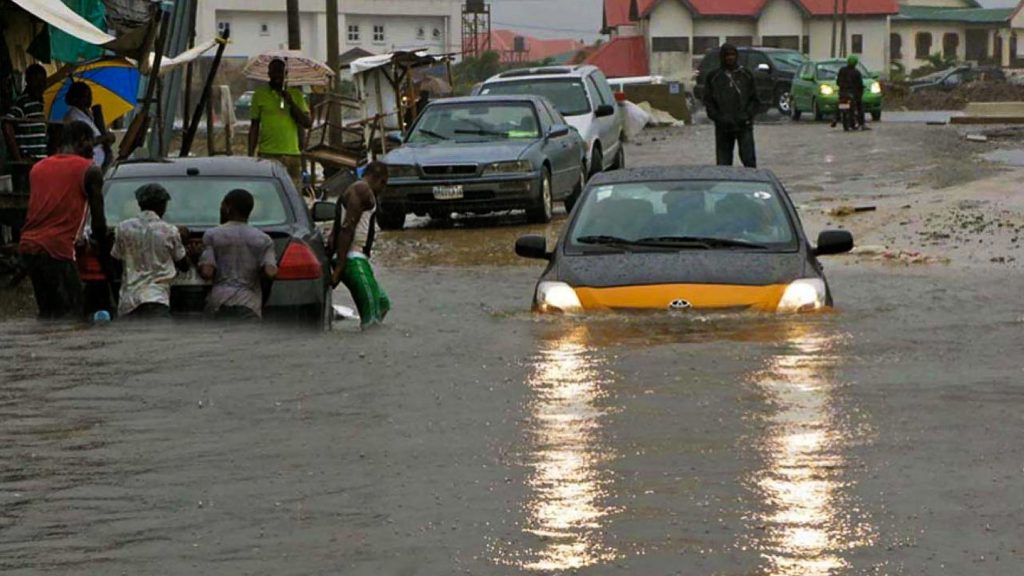
Every rainy season, the same scenes unfold across many parts of Lagos: flooded roads, stranded commuters, damaged homes, disrupted businesses, and communities struggling to recover from days of heavy rainfall. While climate change and increasing urbanisation contribute to these events, another major factor often goes unnoticed—poor waste disposal.
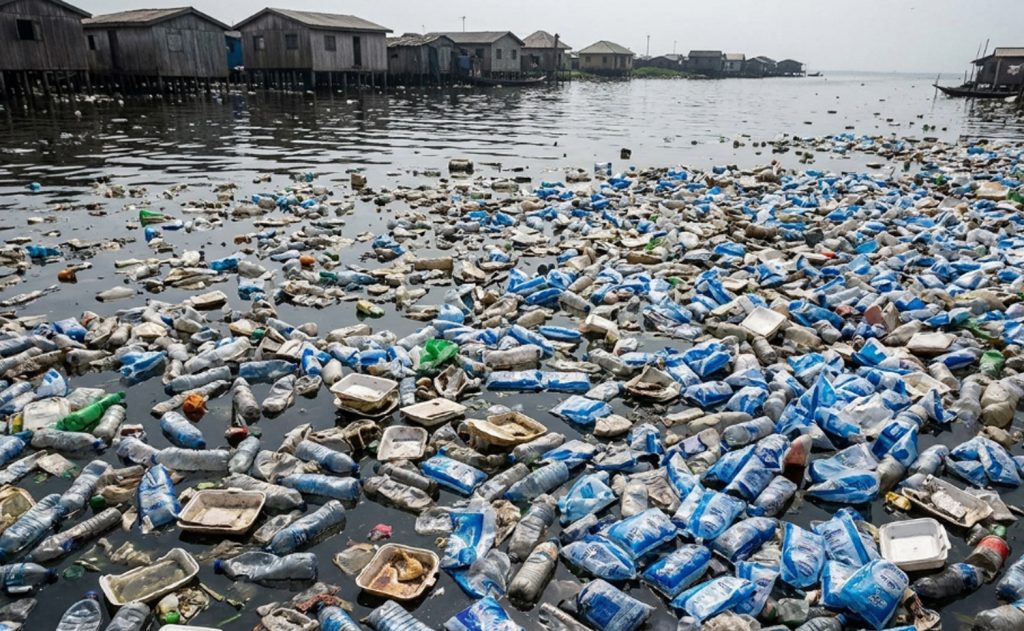
Plastic bottles, nylon bags, food containers, and other recyclable materials continue to clog drainage systems, preventing rainwater from flowing freely. The result is widespread flooding that affects thousands of residents and costs businesses and families valuable time and resources.
This is why recycling matters now more than ever.
Nigeria's Growing Waste Challenge
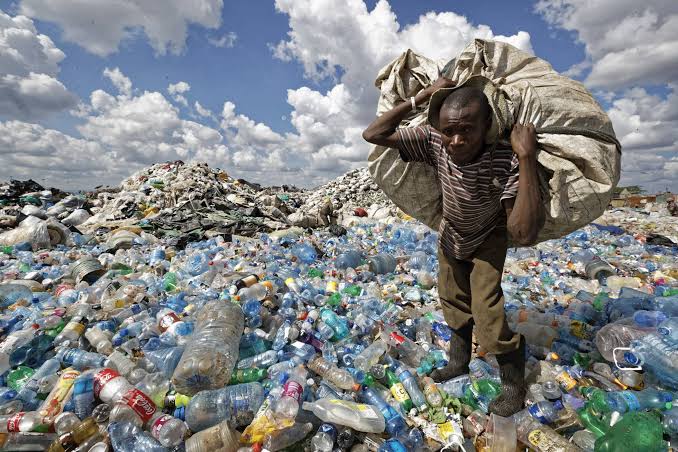
Nigeria generates millions of tonnes of municipal waste every year, with plastic making up a significant portion. Unfortunately, much of this waste is not properly sorted, collected, or recycled. Instead, it finds its way into open spaces, drainage channels, rivers, and eventually the ocean.
Plastic is one of the most useful materials ever created, but when disposed of irresponsibly, it becomes one of the most damaging pollutants.
Unlike organic waste, plastic remains in the environment for decades. Every bottle thrown into a gutter today has the potential to block drainage systems tomorrow.
Flooding in Lagos: More Than Just Heavy Rain
Rainfall alone does not explain why certain parts of Lagos flood repeatedly.
Blocked drainage channels have become one of the city’s biggest environmental challenges. Plastic waste carried by rainwater accumulates inside gutters and canals, restricting the natural flow of water. When intense rainfall occurs, the blocked channels overflow, causing streets, homes, schools, and businesses to flood.
The consequences are far-reaching:
- Businesses lose valuable operating hours.
- Families experience property damage.
- Traffic congestion worsens across the city.
- Public health risks increase as stagnant water creates breeding grounds for mosquitoes and waterborne diseases.
- Government resources are diverted toward emergency response and infrastructure repairs.
Flooding is no longer just an environmental issue, it is an economic and social challenge that affects everyone.
Building a Circular Economy
The future of waste management lies in the circular economy—a system where materials are collected, recovered, and reused rather than discarded.
Instead of the traditional “take, make, and throw away” model, a circular economy keeps resources in use for as long as possible.
Plastic bottles become new packaging. Recycled materials become new products. Waste becomes opportunity.
This approach not only protects the environment but also strengthens local industries and creates sustainable employment.
Technology Is Changing the Way We Recycle
Digital innovation is making recycling easier, faster, and more rewarding than ever before.
Instead of relying solely on traditional waste collection methods, technology now enables individuals and businesses to actively participate in recycling through connected platforms that simplify collection, reward participation, and improve transparency.
This is where RekovoHQ is making a difference.
At RekovoHQ, we’re building a smarter recycling ecosystem that combines technology with environmental action.
Our platform connects households, businesses, schools, and communities through innovative recycling solutions designed to make responsible waste management both convenient and rewarding.
Our ecosystem includes:
- Smart Recycle ATMs for convenient self-service recycling.
- Digital Recycle Hubs that serve as accessible collection points.
- Doorstep collection services for homes and businesses.
- A mobile app that allows users to schedule pickups, locate recycling points, and earn rewards.
- Corporate recycling programmes that help organisations achieve their sustainability and ESG goals.
By removing barriers to participation, we are encouraging more people to recycle consistently and responsibly.
Every Action Counts
Creating cleaner cities is not the responsibility of government alone.
Businesses, schools, community groups, and individual citizens all have a role to play.
Simple actions such as separating recyclable materials, avoiding littering, using designated collection points, and supporting recycling initiatives can collectively make a significant difference.
When millions of people adopt these habits, the impact extends beyond cleaner streets—it leads to healthier communities, stronger local economies, and more resilient cities.
Looking Ahead
Nigeria stands at an important moment in its environmental journey.
As urban populations continue to grow and climate-related challenges become more visible, sustainable waste management can no longer be treated as an afterthought.
Recycling is one of the most practical and impactful steps we can take today to protect our environment, reduce flooding, conserve resources, and build a cleaner future.
At RekovoHQ, we believe every recyclable item has value, every community can make a difference, and every action contributes to a more sustainable Nigeria.
Together, we can turn waste into opportunity—and create cities that are cleaner, greener, and better prepared for the future.